(1) Elucidating the Structure of Earth’s Interior
We aim to estimate the structure of Earth’s interior by determining the properties of materials under high-temperature and high-pressure conditions and comparing them with geophysical observations. Our work includes the development of in-situ electrical conductivity measurement systems using diamond-anvil cells (DACs), as well as synchrotron X-ray measurements at large-scale radiation facilities. Our goal is to understand the present-day internal structure and chemical composition of Earth.
For example, by measuring the electrical conductivity of NaCl aqueous fluids at high temperatures and pressures and comparing the results with observations, we clarified the circulation pathways of seawater in subduction zones (Fig. 1, upper right; Sinmyo & Keppler, 2017). We also measured the electrical conductivity of bridgmanite and estimated the chemical composition of the lower mantle, the largest layer inside Earth (Fig. 1, lower right; Sinmyo et al., 2014). The results suggest that the chemical composition of the lower mantle may be similar to that of the upper mantle. In addition, we performed in-situ high-pressure electrical conductivity measurements on newly discovered iron-oxide phases that are stable only at high pressure, and proposed that heterogeneous oxygen fugacity structures in Earth’s interior may be detectable through electrical conductivity measurements (Maitani et al., 2022).
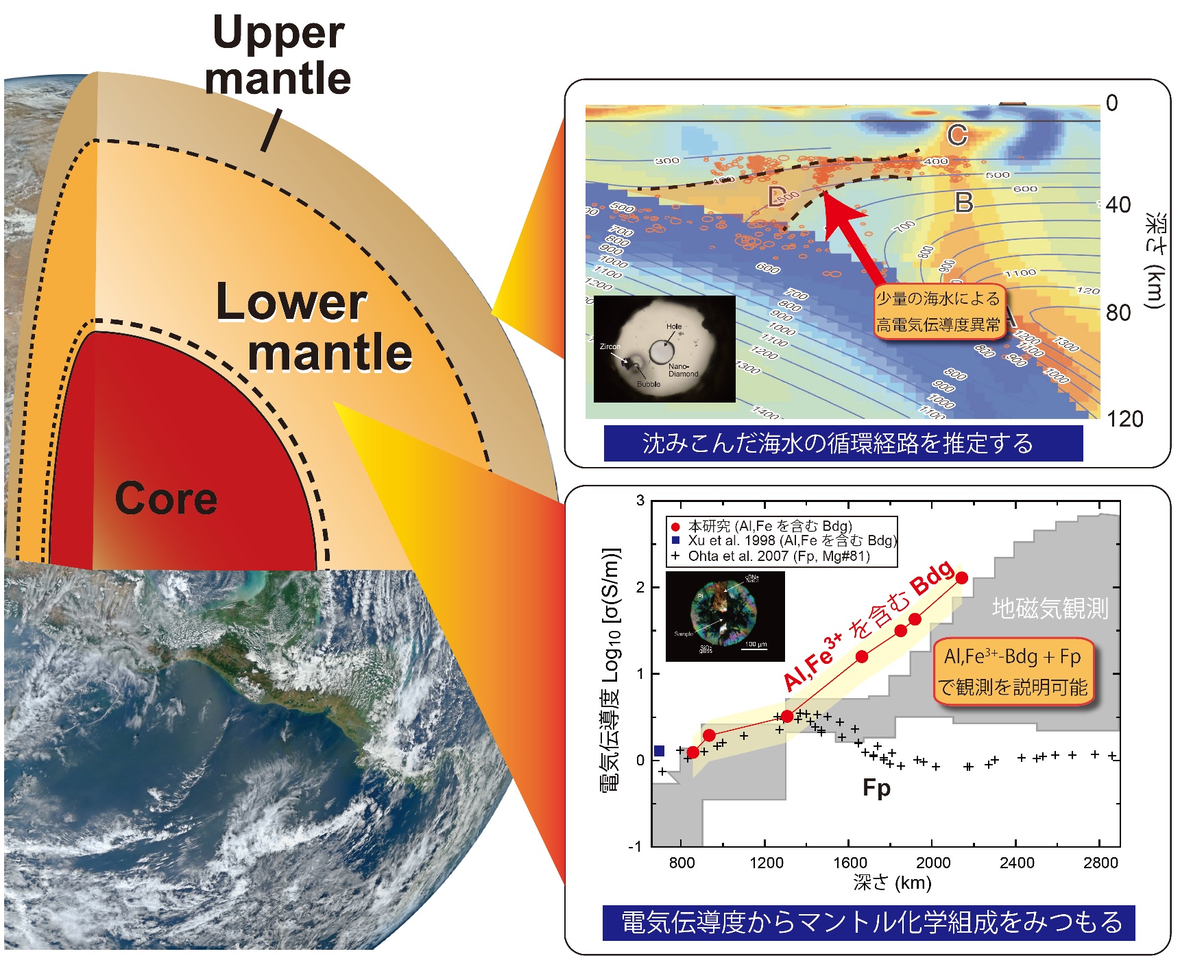
Figure 1. Elucidating the structure of Earth’s interior
(2) Elucidating the Evolution of Materials in Earth’s Interior
We aim to constrain the evolutionary processes of Earth’s interior by determining stable phase relations, element partition coefficients, and valence states of transition elements, and by comparing these results with geological and geochemical analyses. We generate high-temperature and high-pressure conditions using diamond-anvil cells and large-volume presses, and analyze recovered samples by X-ray diffraction, various spectroscopic techniques, and transmission electron microscopy.
By determining elemental partitioning and chemical species among materials, we seek to estimate stable phase relations and volatile-element cycles inside Earth and to understand material evolution over 4.6 billion years. Transmission electron microscopy enables us to determine, at the nanometer scale, the crystal structures, chemical compositions, and valence states of ultrafine minerals recovered from high-temperature and high-pressure conditions (Sinmyo et al., 2011, 2013). X-ray diffraction and spectroscopic measurements also allow us to determine the crystal structures of materials at high temperatures and pressures (Fig. 2). For example, when highly oxidized materials are transported on a large scale into the deep lower mantle, previously unknown iron-oxide phases become stable and the eutectic temperature decreases substantially (Sinmyo et al., 2016, 2019). These findings indicate that redox state and volatile-element cycling strongly influence the evolution of Earth’s interior.
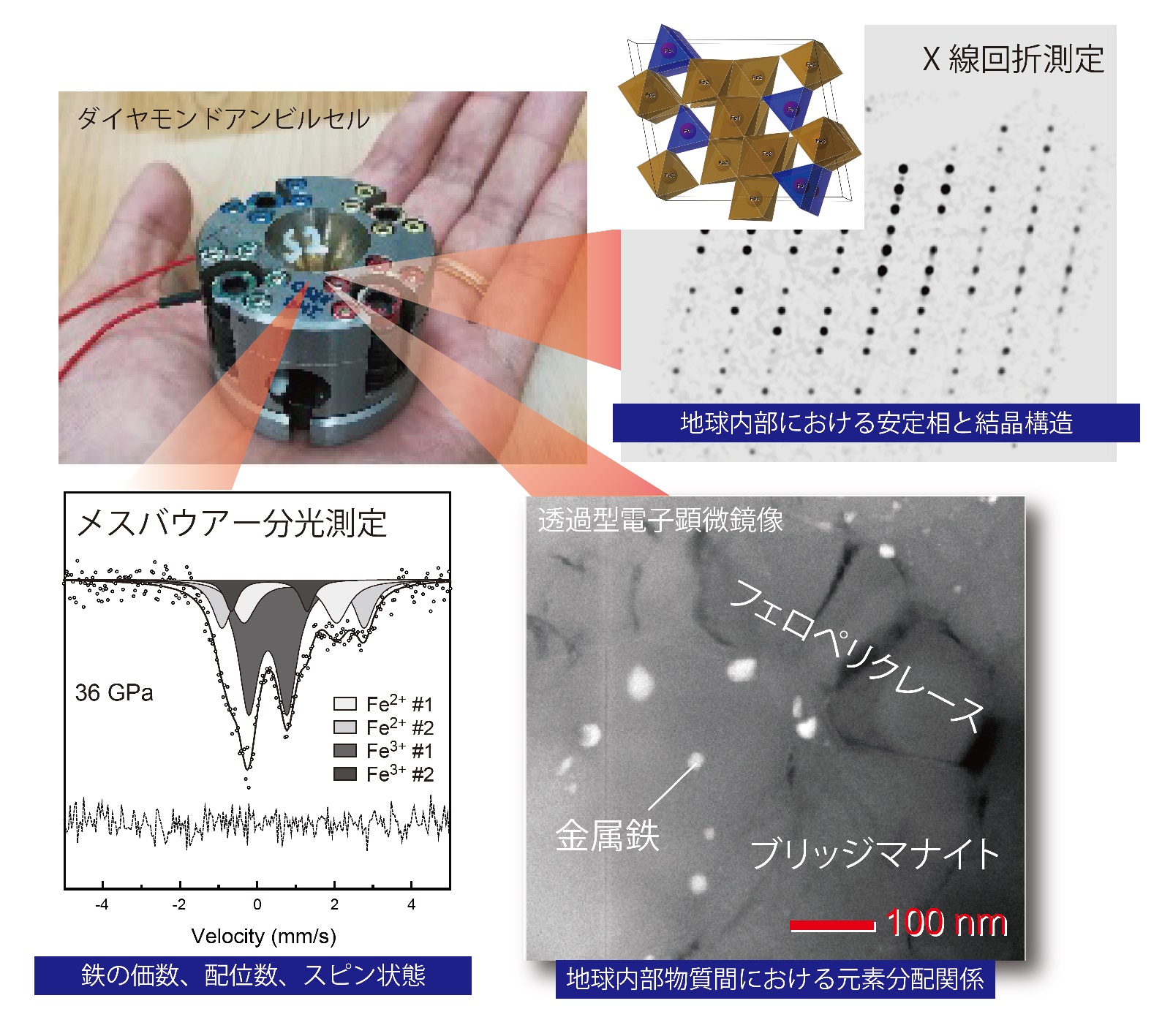
Figure 2. Elucidating the evolution of materials in Earth’s interior
(3) Developing High-Temperature and High-Pressure Experimental Techniques
Earth’s interior reaches extremely high temperatures and pressures, up to about 3.6 million atmospheres and 6,000 ℃. Reproducing such conditions in the laboratory is technically challenging. We continuously explore improved high-temperature and high-pressure experimental methods to obtain more accurate data.
We are working to improve laser heating, a representative high-temperature generation technique in diamond-anvil cells, and to advance the comparatively new technique of resistive heating. In internally resistive-heated diamond-anvil cells, an electrical conductor is connected to the outside of the cell and heated by applying voltage (Fig. 3a-c). Compared with widely used laser heating, this method is expected to provide more stable and homogeneous heating. Using this technique, we successfully generated temperatures and pressures more than twice the previous world-record level and constrained the thermal structure of Earth’s core (Sinmyo et al., 2019). We have also developed a diamond-anvil cell system specialized for fluid studies and successfully performed in-situ electrical conductivity measurements of subducting seawater at high temperatures and pressures, which had previously been difficult to achieve (Fig. 3d; Sinmyo & Keppler, 2017).
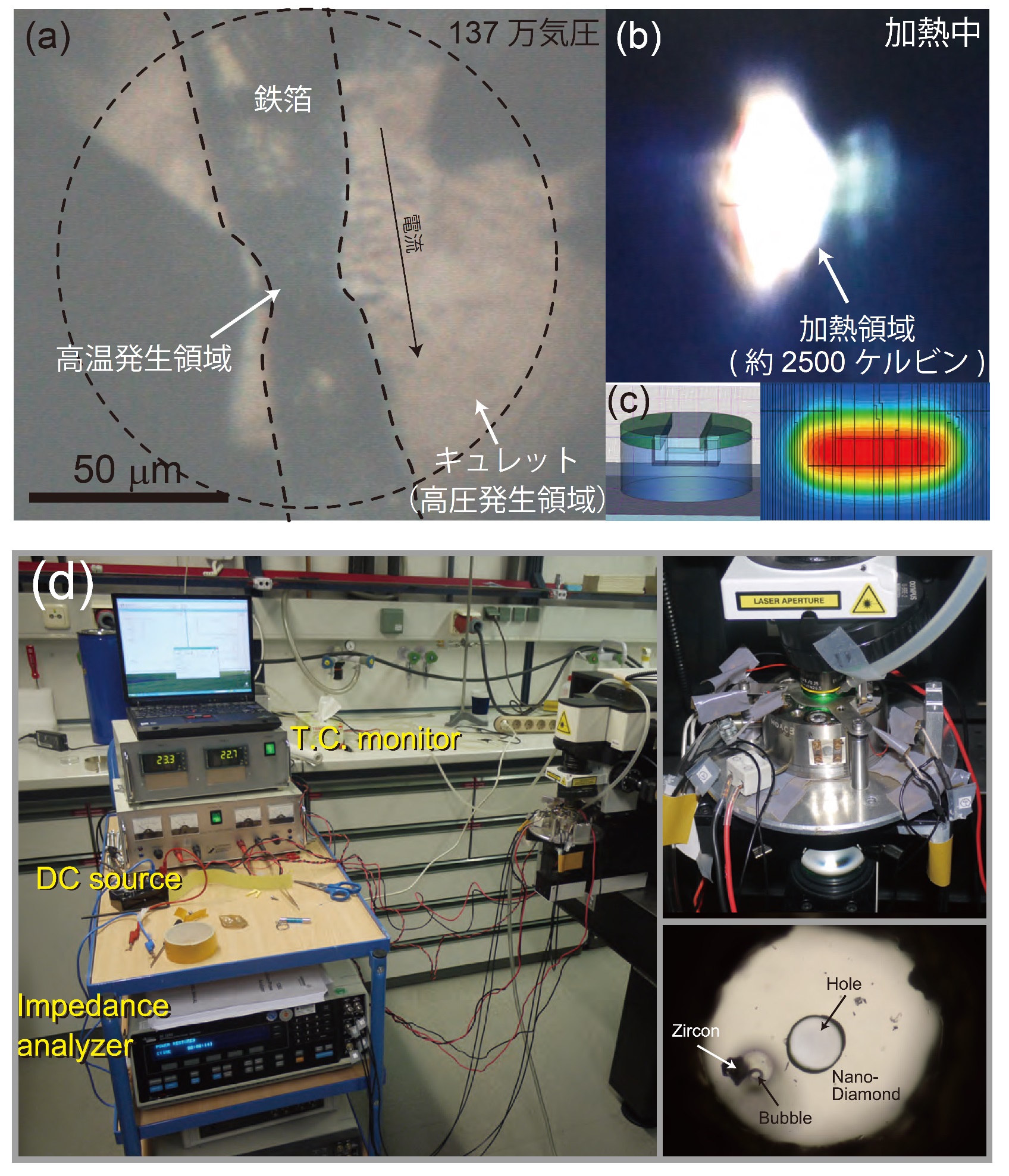
Figure 3. Developing high-temperature and high-pressure experimental techniques