Research
“Revealing the material evolution of Earth and planets through experiments”
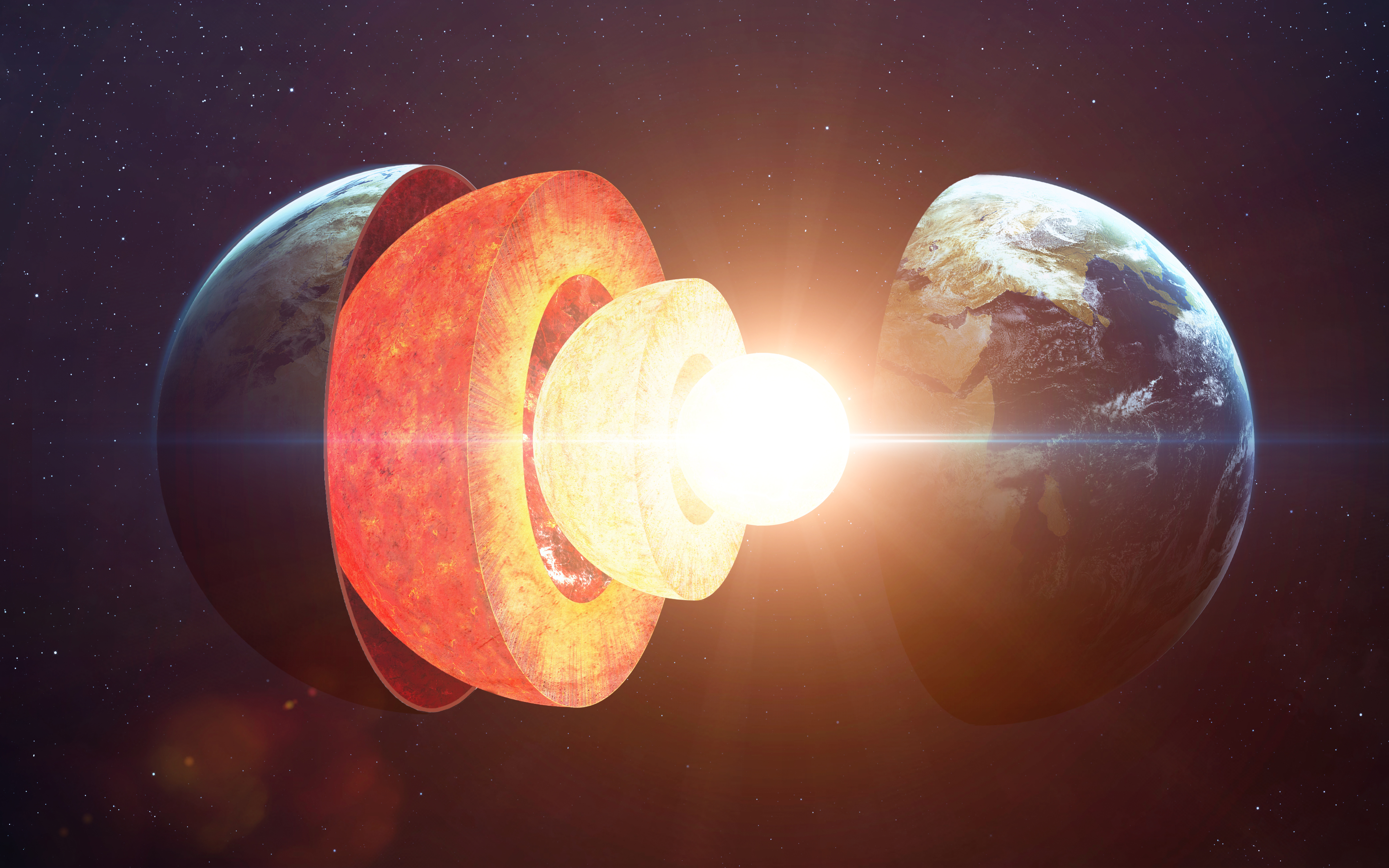
Over the 4.6 billion years since its formation, Earth has undergone dynamic changes and evolved into its present state. Changes in Earth’s interior have, at times, drastically altered the surface environment and created severe conditions for organisms that were flourishing at the time. Several mass-extinction events are thought to have been caused by processes inside Earth. Understanding the structure and evolution of Earth’s interior is therefore important for considering the evolution and sustainability of life.
Although Earth’s interior extends to a depth of approximately 6,400 km, the deepest borehole ever drilled by humans reaches only about 10 km below the surface. What is the structure of the deeper Earth? What was Earth’s interior like in the past, and through what processes did it evolve into a planet where life can thrive today? Why has life continued to flourish on Earth, unlike on other planets?
To address these questions, it is highly effective to combine observations and surveys with high-pressure experiments that reproduce the interiors of Earth and planets. Broadly speaking, Earth and planets consist of solid oxides, solid metals, liquid metals, and fluids. Researchers around the world are investigating how these materials behave under planetary interior conditions.
Our laboratory aims to clarify the physical and chemical properties of materials in Earth and planetary interiors through distinctive high-pressure experiments, thereby revealing their evolution.
Laboratory Environment
Students mainly use the seminar room and experimental laboratory.
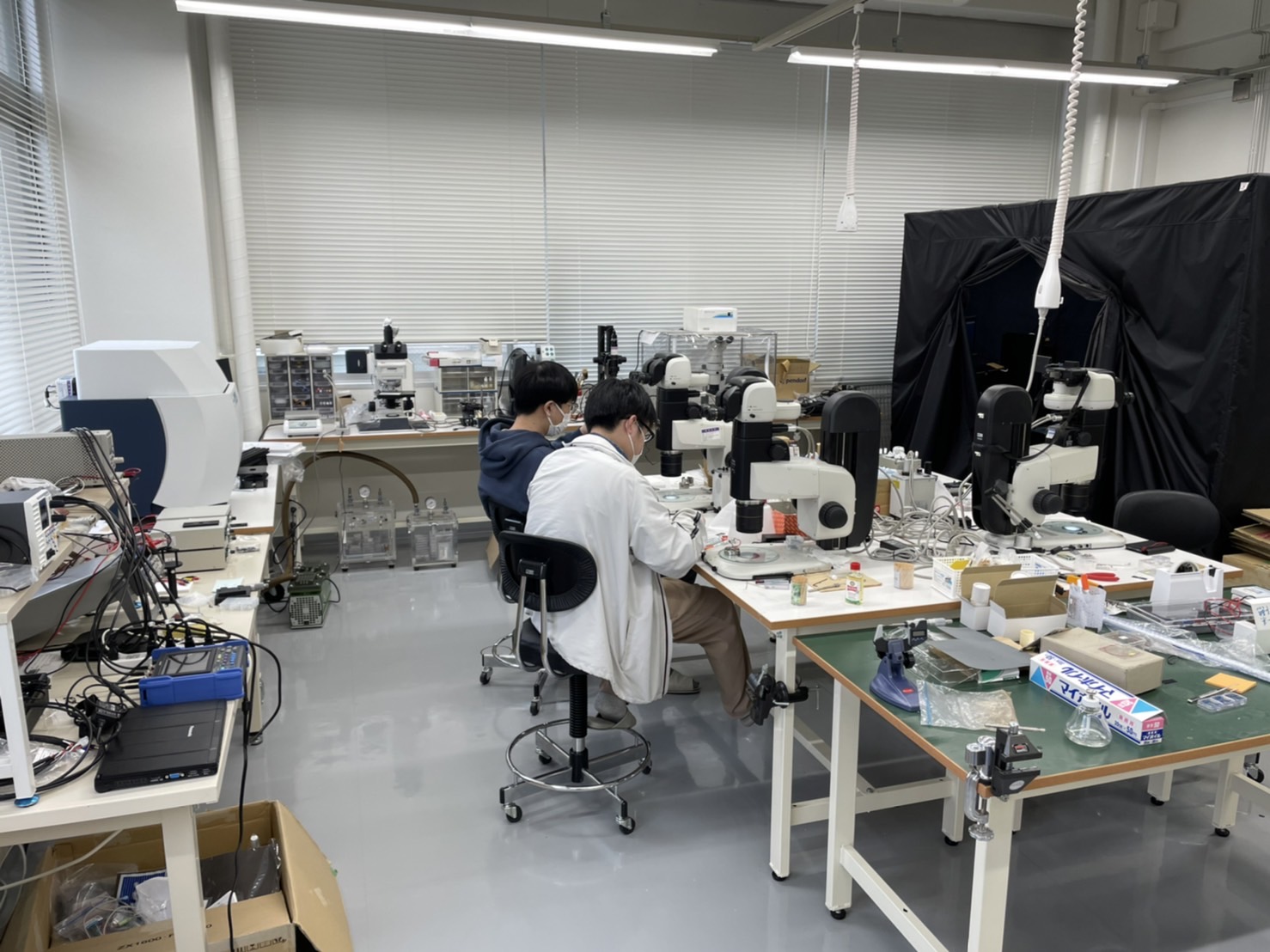
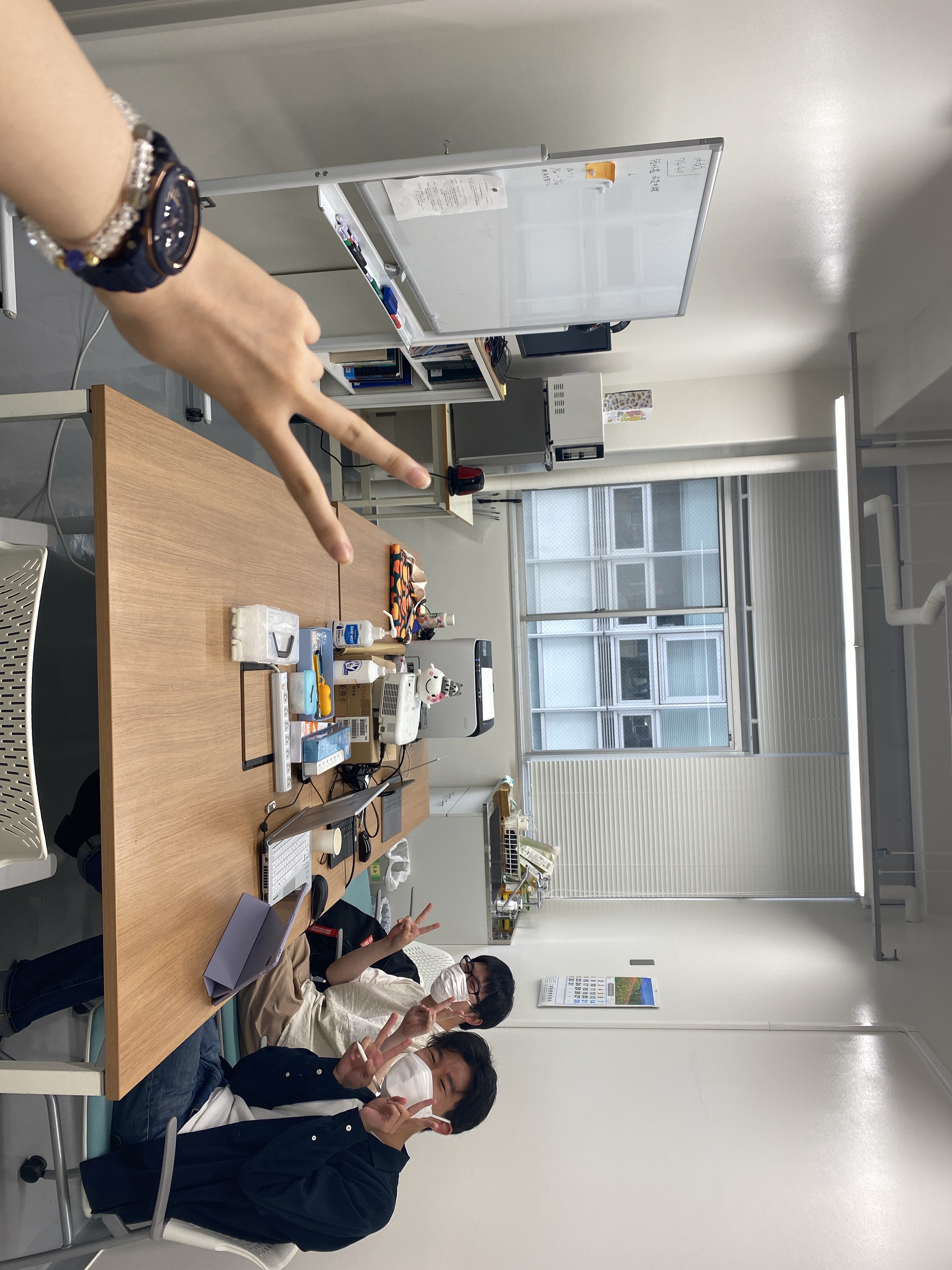
Left: laboratory; right: seminar room
The laboratory is equipped with stereomicroscopes for detailed sample preparation, a Raman spectroscopy system, and other instruments. A dark room separated by black curtains houses laser systems used for sample processing and high-temperature experiments. The laboratory facilities continue to evolve.
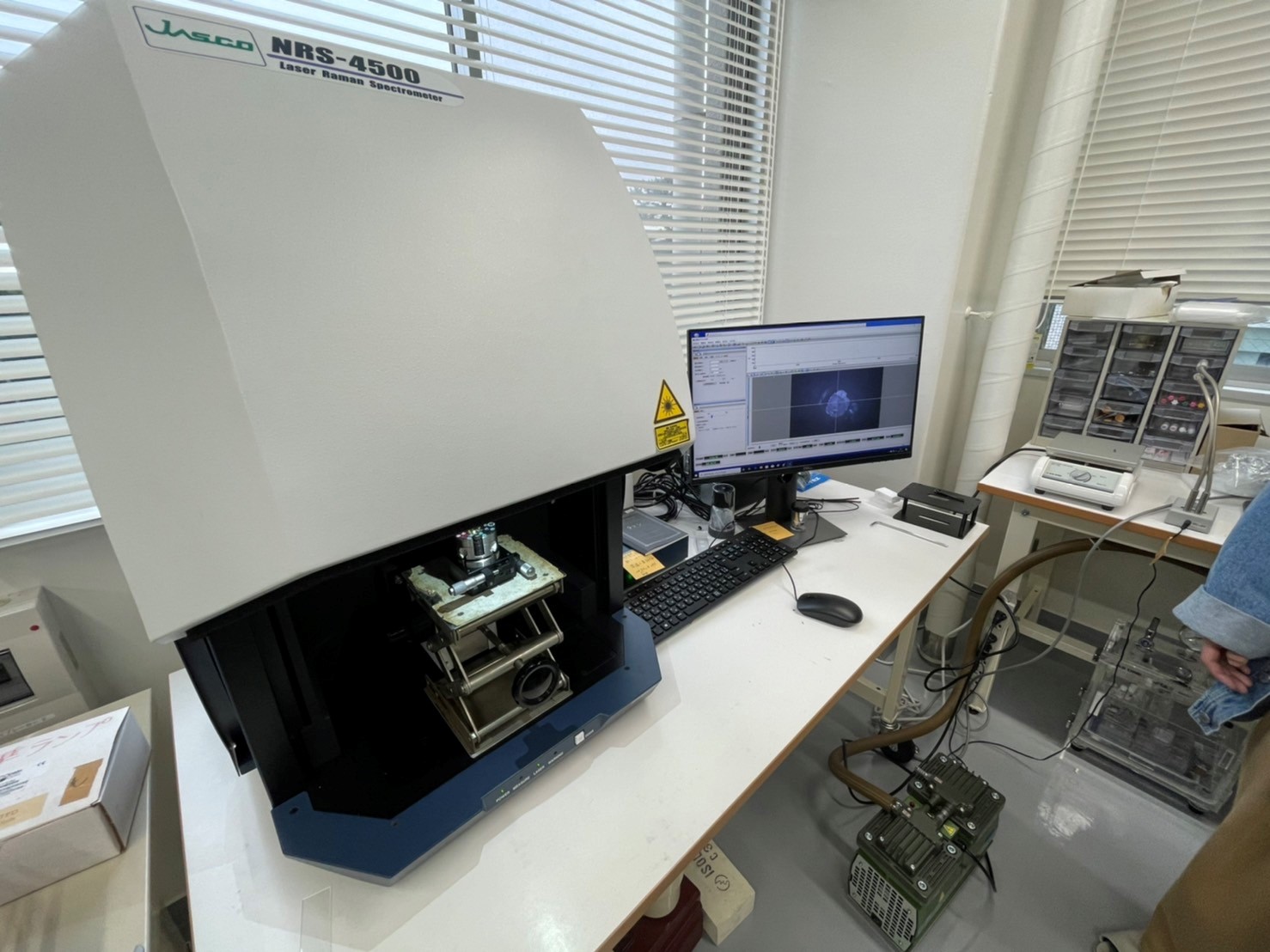
Raman spectroscopy system
A shared laboratory houses equipment for high-pressure X-ray diffraction measurements.
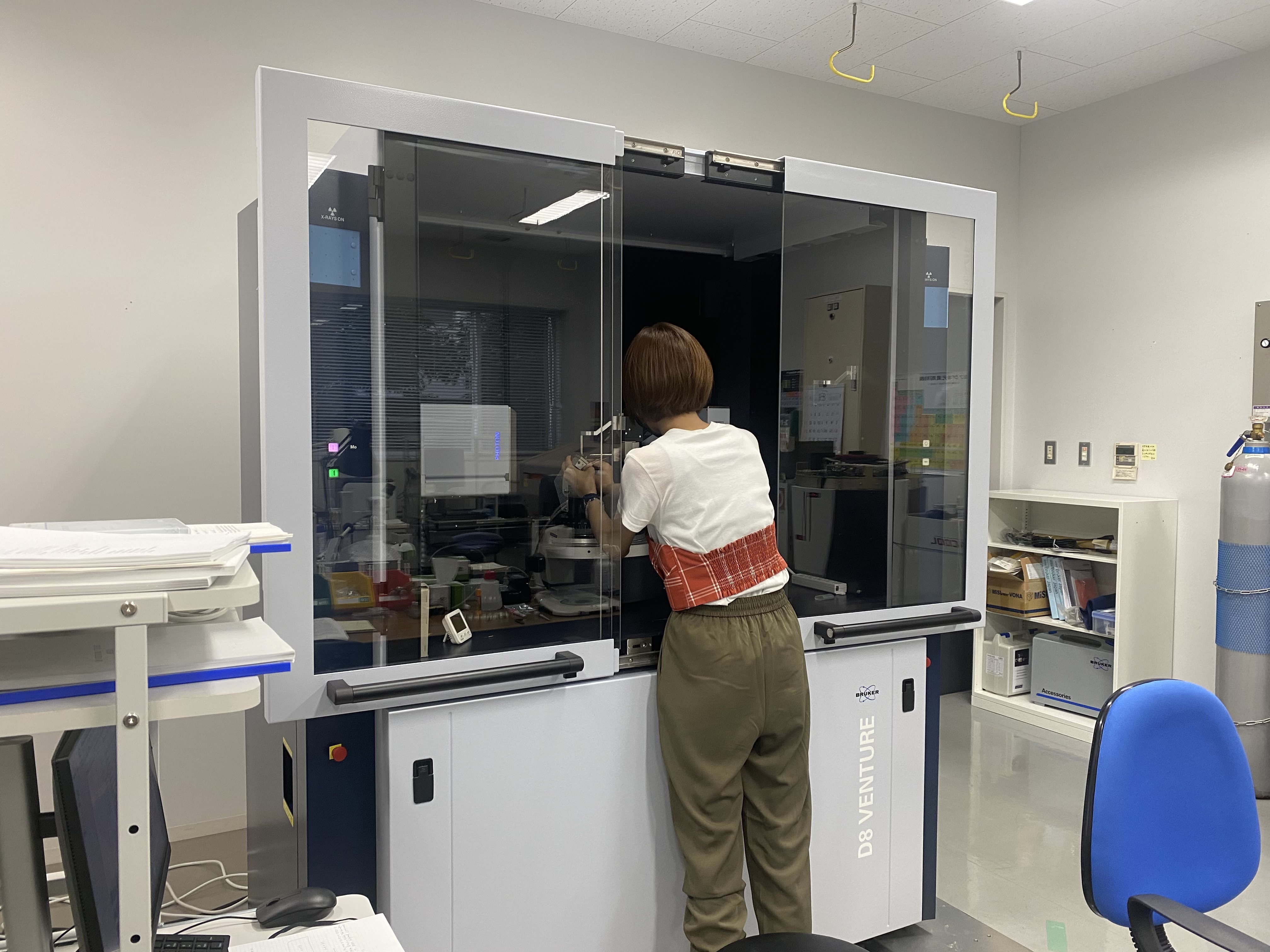
X-ray diffraction system